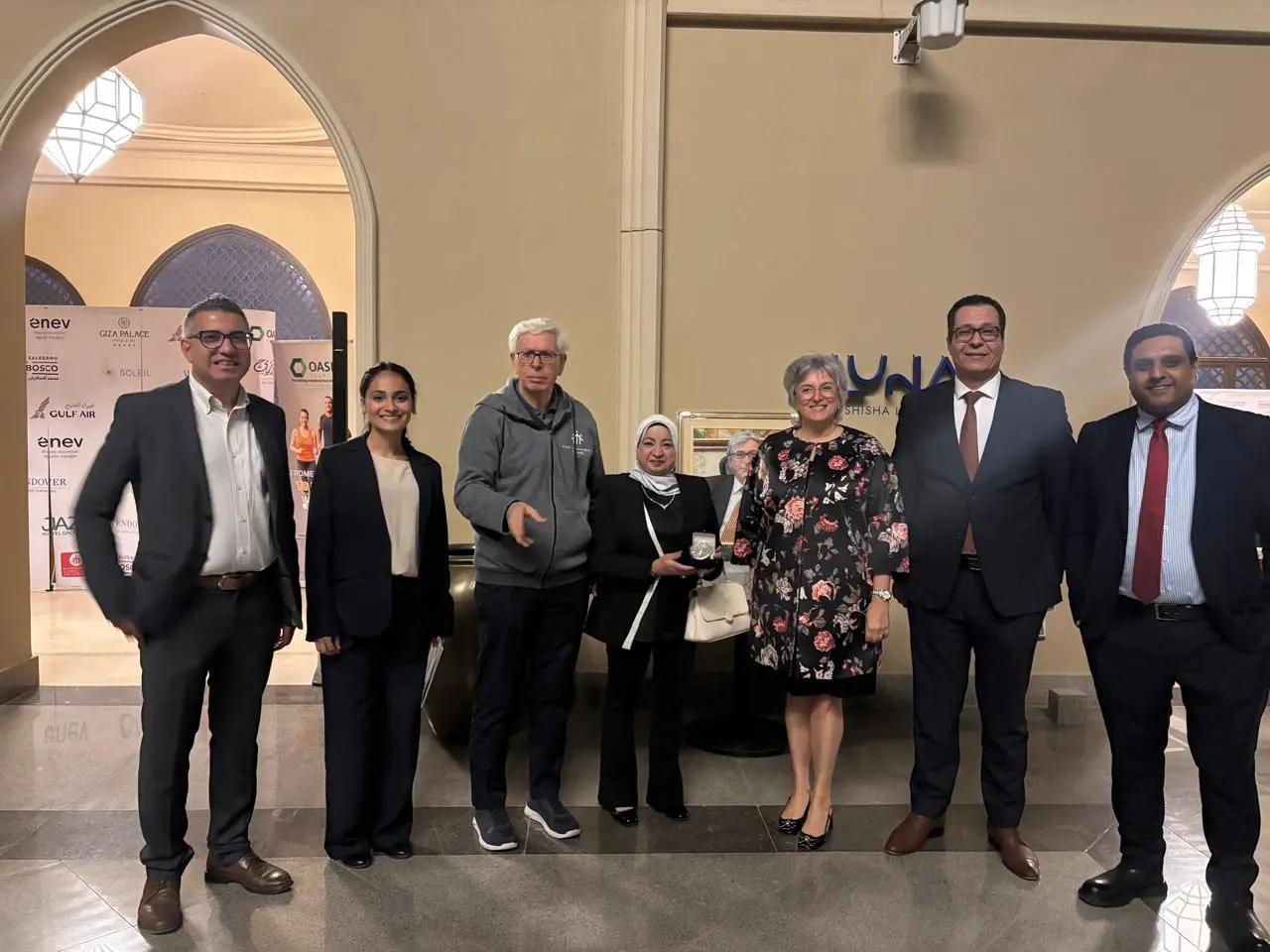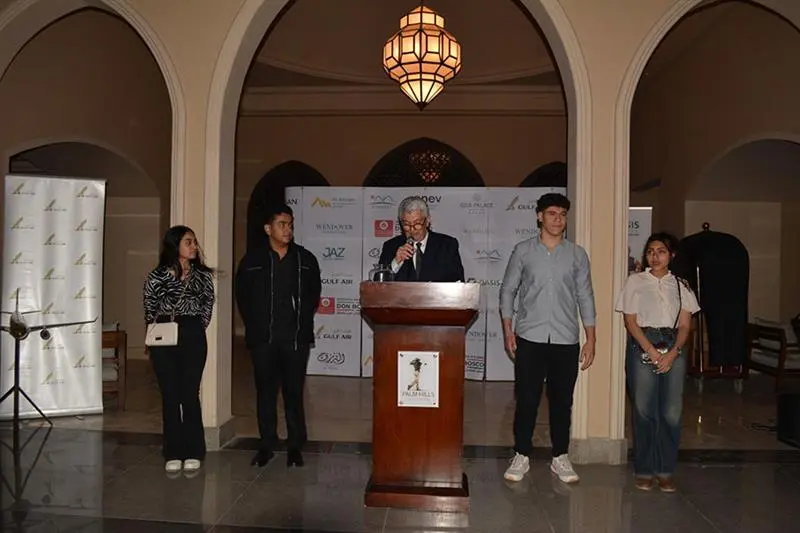
Celebrating its 100th anniversary in Cairo, the Don Bosco Institute brought together diplomats, educators, and business leaders to highlight the growing importance of technical and vocational education in supporting Egypt’s industrial development and youth employment.
An exceptional ceremony held at Giza Palace Hotel in 6 October City marked 100 years since the institution first opened in Cairo in 1926.
Over the past century, the Don Bosco has served as one of the most important cultural and educational bridges between Egypt, Italy, and the world.
The Don Bosco Institute in Cairo remains a key part of Egypt’s educational landscape, bridging the gap between historical craftsmanship and the modern industrial needs of the 21st century.
Celebrating this milestone is a time not only to assess achievements, but to envision the future of much-needed technical and vocational education and training in Egypt.
As the Salesians of Don Bosco, an international organization of Catholic priests and brothers, describe their educational philosophy, “We are dedicated to the service of the young, especially the disadvantaged and marginalized. We are faithful to Don Bosco’s Preventive System of “reason, religion, and loving-kindness” and strive to create environments characterized by a sense of belonging (home), a spirit of faith (parish), dynamic learning (school), and engaged social interaction (playground).”
Don Bosco’s journey in Egypt began by serving the Italian community, but its mission soon expanded to embrace the entire Egyptian society.
This cooperation was crowned by the signing of an official regulatory protocol between the Egyptian and Italian governments in 1970, making the institute a primary source for graduating qualified Egyptian technical professionals ready to work in local and international markets with the highest standards of efficiency and discipline.
The success of Don Bosco is not limited to the quality of its curricula, but also includes providing graduates with real employment opportunities through its job placement office, supporting the country’s sustainable development and industrial transformation plans.
Hesham El-Abd, an international management expert and organiser of the event, praised the institute’s role in Egypt’s technical and vocational education sector.
“The modern world needs more vocational institutions like Don Bosco that build character while equipping young people with technical skills,” El-Abd said.
The celebration also included a “Golfing for a Cause” event organised by El-Abd, who also organizes the annual Palm Hills Annual Cairo Diplomatic Golf Challenge.
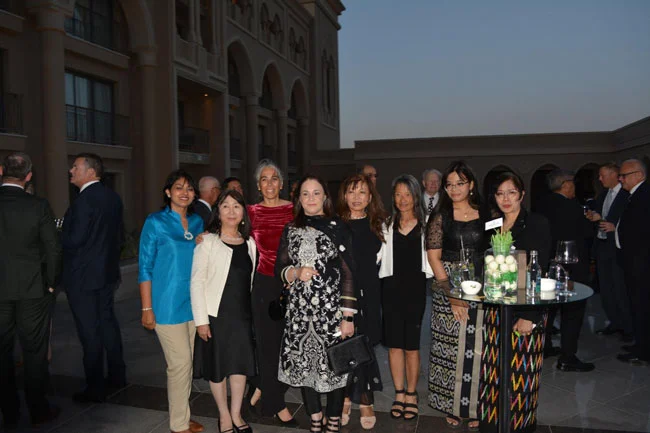
Organizers said the involvement of foreign ambassadors and diplomats from Africa, Asia, Europe, and North and South America was much more than a sporting gesture. It was a diplomatic recognition that signals to the Egyptian youth that their skills, whether in electronics, mechanics, or hospitality, to name a few, carry international currency.
Cairo’s diplomatic community champions the competitiveness of Egypt’s Don Bosco graduates on a global scale.
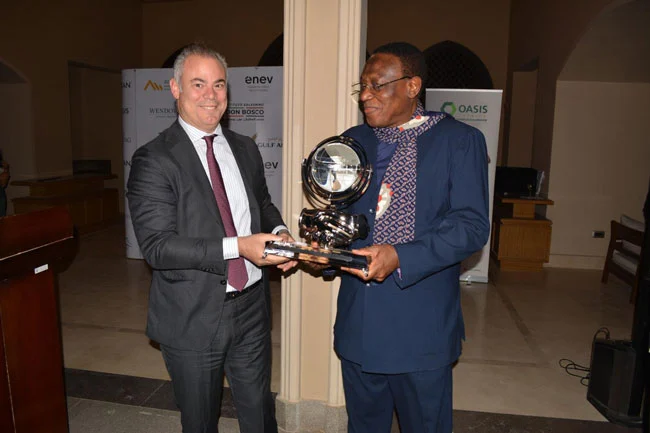
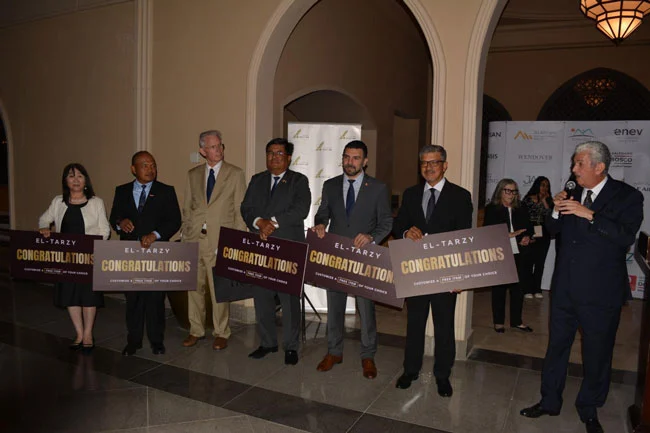
In a ceremony marked by applause and celebrations, El-Abd presented awards to participants. U Kyaw Tin Shein won the top individual prize in the team competition between the Global North and the Global South.
The Global South team won the competition for the second consecutive year, while the Peace and Friendship Trophy was awarded to Mohamadu Labarang, dean of the Cairo Diplomatic Corps.
“The gathering of this high-level diplomatic crowd around the centennial of Don Bosco reached a high level of human harmony, a clear proof that the mission of education and human development remains the common language that unites the peoples and governments of the world here on the land of Egypt, for a better tomorrow,” added El-Abd.
“We recognize that vocational education is a national priority. I’m pleased we were able to bring everyone together to support this cause by supporting the Cairo Don Bosco. We want to contribute to the national conversation about how world-class vocational education can be an engine for Egypt’s future economic growth,” El-Abd reflected.